Vegetable Garden: How to Get Started
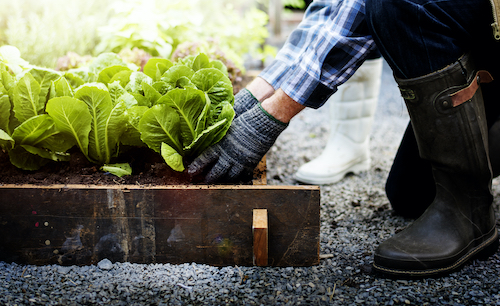
In Spring 2020, we decided to start our garden. I was over the moon excited and ordered a metal-raised bed. I measured it and thought it would be the perfect size to start with. Until it arrived and I saw how small it actually was. Oops! I had more seeds than space. I quickly snagged some barrel planters to add around it for more room but it just wasn’t enough still. We still had starter plants on the way I had ordered too. My husband quickly jumped into action and helped me build a large wooden raised bed to add to our ever-growing space.
While I had big hopes and dreams for my first true garden, I quickly had to pick my battles. I became pregnant about 6 weeks into the project. Between having absolutely no energy and the Texas heat, well, surviving every day became my sole daily goal.
I say all this to share life happens. You overbuy and get too excited. I’m going to show you how to actually be successful in your garden dreams!

Get a Plan
First things first, you must have a plan. Study your backyard and see where the sun is the most during the day. One way that I did this was by going out to my yard several times a day. I took a photo of each section every time I went so I could study shadows from my trees, houses, the fence, and anything else that could cause a shadow overcast. Make sure you take into account how full your trees are. If it’s early spring, chances are you don’t have full coverage from new leaf growth yet. I made this mistake in the beginning. The ‘perfect’ spot when we started, was not the perfect spot once the trees filled back in! We had to move the garden to a sunnier location and that was some hard work.
Research the season you are heading into, as well as what produces well in your zone. This is the number one thing to do. What grows best in the Northern states, are not the best varieties here in the hot Texas summer. You can find your zone here. I live in North Texas Zone 8a. Temperatures and daytime length play a vital role in the selection of foods you grow in our area. There are many online shops that sell organic and heirloom seeds that divide the options up by zone.
Another thing you need to consider is how you will water your garden. I currently use a hose to manually water and rely on rain to balance out my water schedule. It’s not the best solution but unfortunately, my new garden location is not near the water spigot for an irrigation system. We are brainstorming better solutions to set up a timer system and are looking at a rain barrel off my husband’s office shed to create a better option than me dragging a hose across the yard often.
Building Your Space
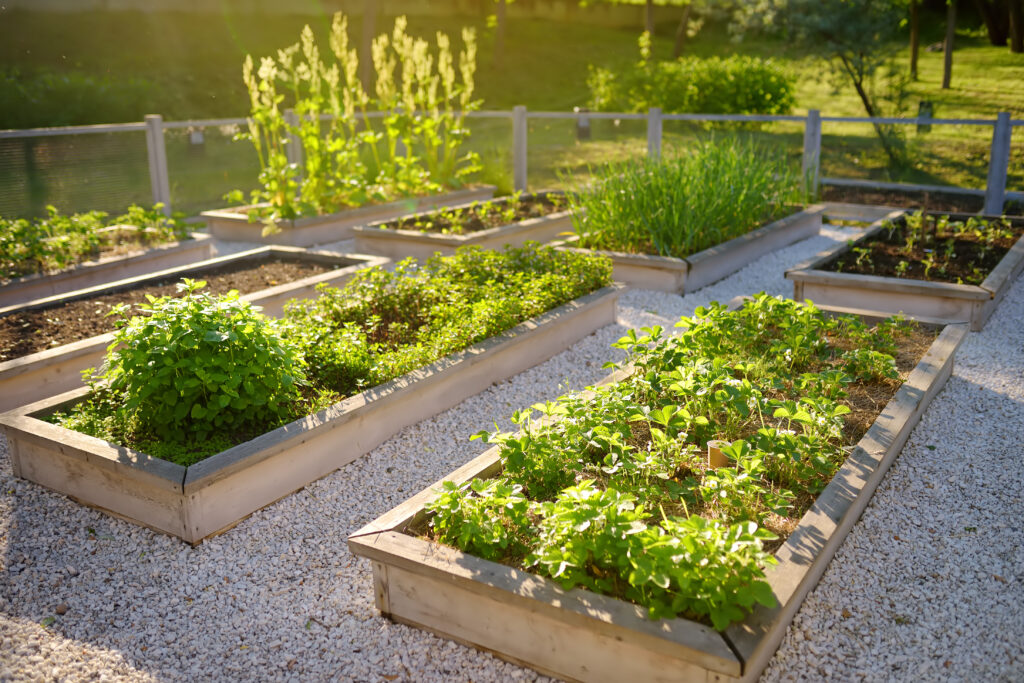
Once you got your initial plan set, it’s time to set up your garden. Raised garden beds are the perfect way to get started as you are able to build your soil appropriately and you’re not stooped over so much when working in your space. Using untreated wood to build your bed is the way to go so that chemicals don’t leach into your soil and ruin your organic gardening efforts. However, you can also line the inside of your bed to prevent rot and any chemicals from seeping in.
Don’t be afraid to mix wood elements with metal beds or large pots. This creates an interesting look and adds character to your space. I currently have a mix of a large wooden bed, a metal raised planter bed, and several round planter pots.
If you prefer a streamlined look you can create a more classic balanced style. Twin gardens, four classic square gardens, and a trio of beds are all great options for a chic style. You can easily adjust sizing to meet your space requirements and it’s best to measure out your beds and add two to three feet for a walking path between beds. Make sure you measure, remeasure, and measure a third time before purchasing materials or making cuts to wood for building. This enables you to make sure everything fits properly in your space.

Prepping the Soil
Soil prep is such an important step. It can truly make or break your garden. While the raised garden bed soil sold at most box stores touts its benefits, it’s important to note that it usually contains more mulch than soil. Organic matter is vital to a soil’s ecosystem, but you need the right mix to make it work for your vegetables.
Compost is a big buzzword in the gardening world. For good reason too! While compost is rich in organic matter and full of essential nutrients for your plants to grow strong, it shouldn’t be the only thing you use. It doesn’t provide your plants the stability they need to thrive and stand strong. Utilizing a mix of compost with topsoil and sand is usually a good route to take.
You want your soil to have structure, airflow, and nutrients. Sounds confusing, I know. That’s why you mix several options together to amend the soil for the best possible base to grow your garden. Each of those elements has a different job. Topsoil is great for structure for your plants to stand strong. Sand is used for drainage and compost is full of the nutrients your plants need to grow effectively.

Fill your Garden
Now it’s time to add your plant babies! Gather your plant starters and seeds. You can start your own seeds inside or grab some from a local nursery. You have planned and prepped and are on your way to enjoying your own fresh garden veggies and herbs soon.




You must be logged in to post a comment.