How to Do a Winter Nature Study in Your Homeschool
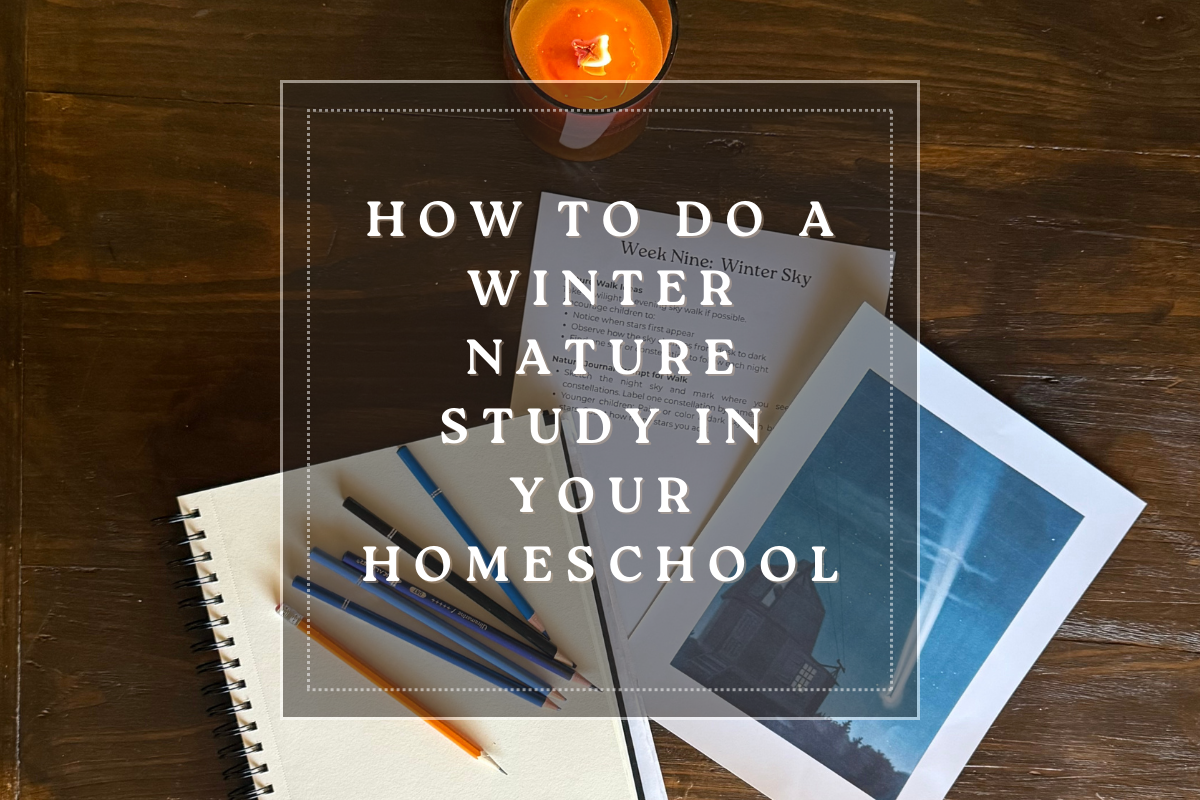
A Simple Charlotte Mason–Inspired Approach
Winter can feel long in a homeschool.
The days are shorter. The energy is lower. And it’s easy to default to staying inside and pushing through the season instead of truly experiencing it.
But winter is not empty.
It’s quiet.
It’s reflective.
It invites observation in a different way than any other season.
A winter nature study in your homeschool doesn’t have to be complicated. In fact, winter may be the easiest season to begin.
Here’s how to do it simply and meaningfully.
Why Winter Is a Beautiful Season for Nature Study
In spring, everything demands attention.
In winter, you have to look closer.
The bare trees reveal structure.
The sky feels larger.
Animal tracks tell stories.
The night sky shines brighter.
A Charlotte Mason winter nature study encourages children to:
- Observe carefully
- Record what they see
- Notice the subtle change
- Connect science with beauty
Winter slows us down — and that’s a gift.
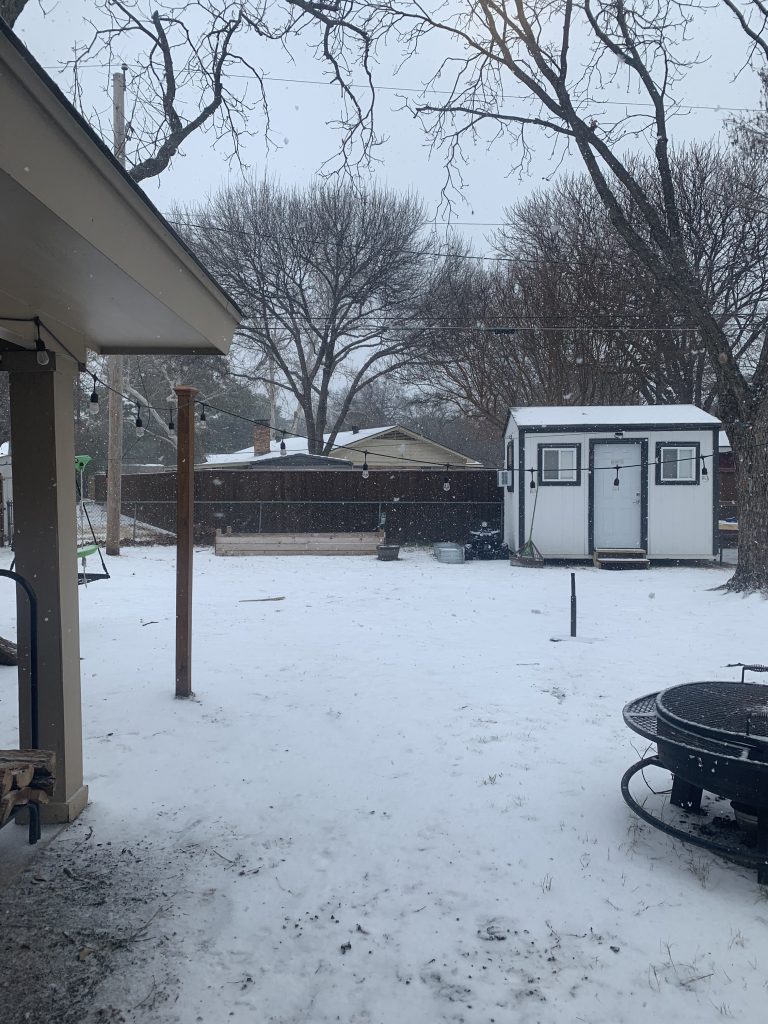
What to Study During Winter
If you’re wondering what to focus on, here are simple and meaningful winter nature study themes:
- Winter birds
- Coniferous trees and evergreens
- Animal hibernation
- Ice and snow
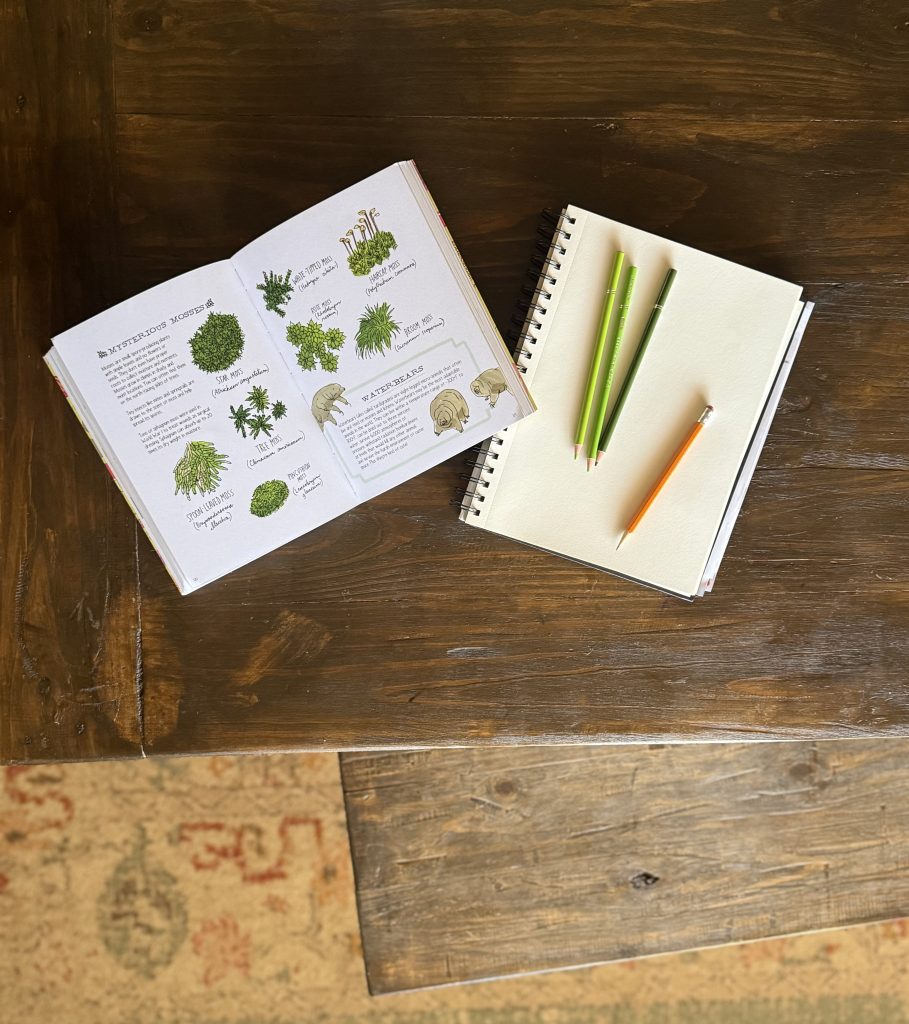
- Moss and lichen
- The winter sky and constellations
- Early signs of spring
You don’t need to cover everything at once. Choose one topic per week and let your observations guide you.
Step 1: Go Outside (Even Briefly)
A winter nature study doesn’t require hours outdoors.
Even 10–15 minutes can be meaningful.
Try:
- Observing the sky at dusk
- Looking for animal tracks
- Comparing evergreen and deciduous trees
- Listening for bird calls
- Watching how frost forms
Encourage children to simply notice before you explain.
Step 2: Keep a Nature Journal
Nature journaling builds attentiveness and memory.
For younger children:
- Draw what they see.
- Label simple features.
- Use texture and color.
For older children:
- Sketch and label details.
- Write short observations.
- Record weather and seasonal change.
Winter journaling is often less cluttered, which helps children focus.
Step 3: Add Beauty Subjects
This is where winter shines.
A rich winter homeschool rhythm can include:
- A hymn connected to creation
- A folk song tied to the season
- Composer study that reflects stillness or light
- Artist study featuring winter landscapes
- A classic poem
When you combine nature study with art, music, poetry, and Scripture, learning feels cohesive rather than scattered.
A Simple Way to Begin: Study the Winter Sky
If you’re not sure where to start, begin with the sky.
The winter sky is:
- Clearer
- Darker
- Easier for constellation viewing
Studying the night sky introduces:
- Astronomy basics
- Observation skills
- Awe and wonder
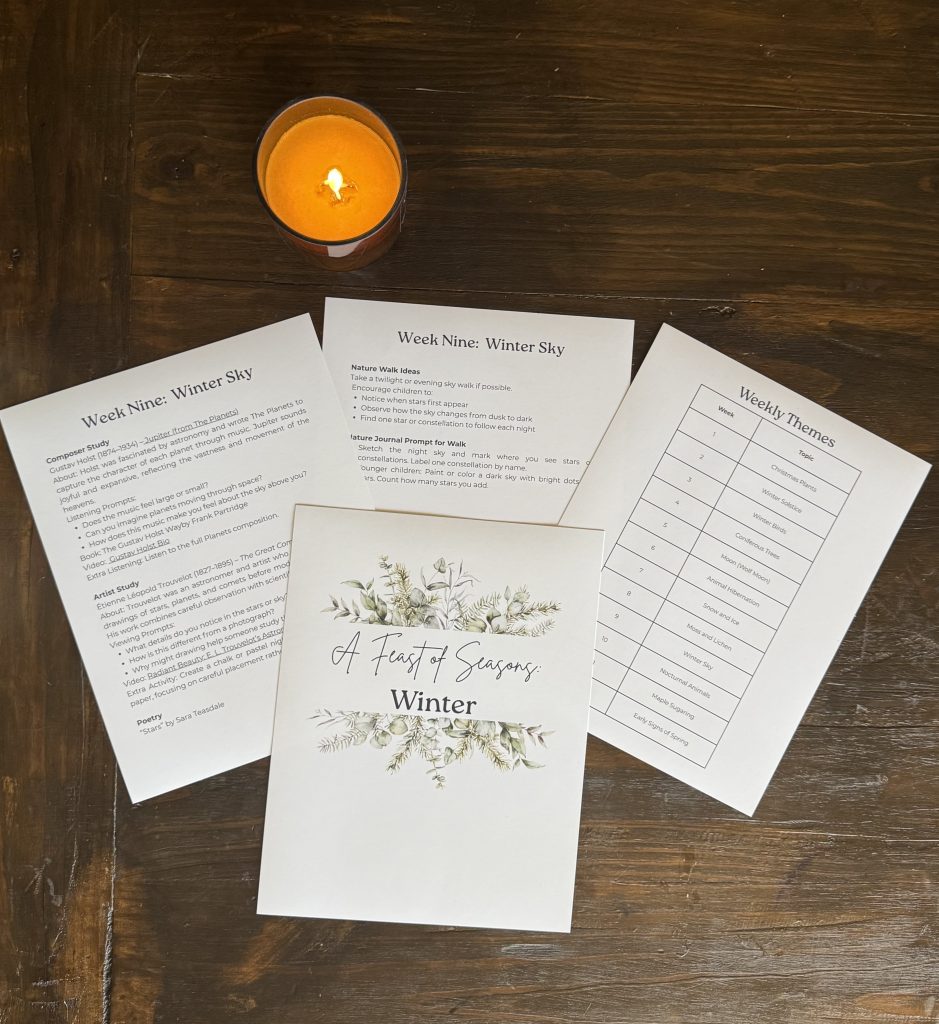
To help you get started, I created a free Winter Sky nature study week you can download and use immediately.
It includes:
-
Constellation study
-
Nature journal prompts for multiple ages
-
Hymn and folk song
-
Composer and artist study
-
A thoughtful poem
-
A Scripture connection
You can download the free Winter Sky week here.
Want a Full Winter Plan?
If you’d like a complete winter nature study curriculum mapped out for you, the Winter edition of A Feast of Seasons includes 12 thoughtfully designed weeks covering:
- Christmas Plants
- Winter Solstice
- Winter Birds
- Coniferous Trees
- Wolf Moon
- Animal Hibernation
- Ice & Snow
- Moss & Lichen
- Winter Sky
- Nocturnal Animals
- Maple Sugaring
- Early Signs of Spring
Each week blends nature study, beauty subjects, poetry, Scripture, and hands-on learning in a simple, open-and-go format.
You can explore the full Winter guide here.
Winter Is Not a Season to Rush Through
It’s easy to treat winter as something to endure until spring arrives.
But when we slow down, observe carefully, and integrate beauty into our homeschool rhythm, winter becomes deeply formative.
Not loud.
Not hurried.
But meaningful.
And sometimes that’s exactly what our homes need.



You must be logged in to post a comment.