
Could this be early pregnancy?
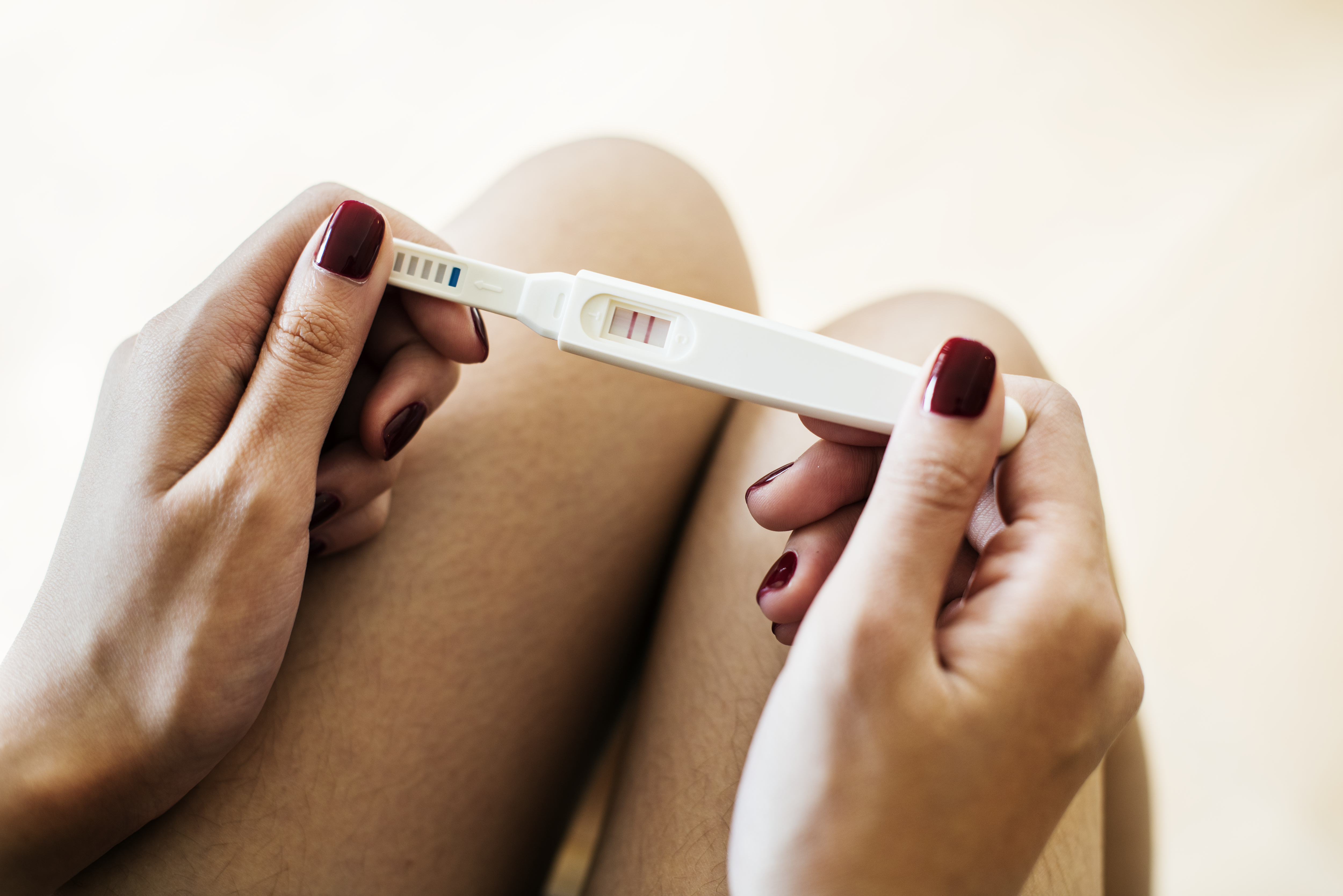
Early pregnancy signs and symptoms can be tricky to decide if they are moving you towards a possible pregnancy or that you are about to get a visit from your monthly friend. Let’s tackle some of these symptoms that could be conflicting for you in those early days and weeks before you officially know if you are expecting or not!
Symptoms of Early Pregnancy

Sore/Tender Boobs
With the fluctuations in hormones, your boobs can be sore and tender. If you don’t typically experience this prior to your period it can be worrisome. Some women also report their nipples changing colors in early pregnancy.
Nausea
One of the more talked about pregnancy symptoms is nausea or “morning sickness”. For some women, it generally grows in severity throughout the first trimester and will taper off as you enter the second trimester. It can begin around 4-6 weeks of pregnancy, leading to it being a sign of potential pregnancy before you ever test.
Headaches
You can thank hormonal shifts and increased blood volume for your headaches you’re experiencing. For some women, they tend to even out once hormones begin to also but don’t fret if you continue to have them due to increased blood flow. However, keep track of the severity of them as they can be a sign of other health concerns as your pregnancy continues.
Constipation
Progesterone can lead to digestive concerns and cause issues with constipation. Some women experience this during PMS too so take heart that you are not alone! It can also shift the other direction and cause diarrhea in some ladies.
Fatigue
After ovulation, our progesterone spikes and can lead to feeling the undeniable fatigue in early pregnancy.
Cramping
Cramping can be to indicate your period is beginning or associated with the implantation of an embryo. They can feel similar, however, cramping in early pregnancy is an indicator of the embryo attaching itself and growing. It can be worrisome if you have never felt it before. Make sure you reach out to your medical professional if it becomes very painful and you are unable to tolerate the cramping pain you are having.
Spotting
Spotting prior to the start of your period could be a few things depending on what’s normal for you. If you typically spot prior to your actual period starting, it is most likely related to low progesterone and you should speak to your medical provider for testing. However, if you don’t usually have issues with spotting prior to starting, it could mean implantation of an embryo. Implantation bleeding can occur about 10-14 days after ovulation once the fertilized egg has made its way down the fallopian tube. It can last anywhere between a few hours and up to 3 days. Implantation bleeding is generally lighter and a light pink or streams compared to a typical period bleed.
Elevated Basal Body Temperature
If you are tracking and take your basal body temp, you should see an elevated temperature post ovulation. The normal “shift” occurs after ovulation has occurred. After three days of an elevated temperature, you can confirm ovulation has taken place. From there, your temperature will stay above your cover line until just before your next period is expected. If your temperature stays elevated for more than eighteen days, you can typically confirm pregnancy.
Food Aversion
Food aversions can be tied to nausea and be for a variety of reasons. For one, it can be related to hormone shifts happening within your body and creating an aversion to the smell and taste. Many women can’t handle bitter or very fragrant foods in the first trimester and avoid them. It can also be a way for your body to protect yourself in away. According to the book by Lily Nichols “Real Food for Pregnancy”, she sites that research indicates that our ancestors had food aversions to protect themselves from unsafe foods. Between poor food handling, storage, and potentially toxic foods, they built up barriers that lead to those aversions and in her words “are practically etched into our DNA from thousands of years ago”. Our food these days is completely different than years ago, therefore, many of these aversions are not necessary. You are not alone if you do have them, I personally could not handle meat in my first trimester!
Missed Period
This is usually the first indicator for a lot of women that they could be pregnant. It may or may not be a solid indicator for determining pregnancy though as your period is generally not considered late until after 7 days of your expected period. This is why it is important to know when you ovulated and how your body works during your cycle to know when you should start. Late ovulation can shift your “expected period” back and by knowing when you ovulate, you can easily keep track of when you should start. Most luteal phases last 11-17 days. Tracking will help you know what your average so you can know when to expect your next period.
Why do I have symptoms?

Many of these signs or symptoms can simply be your hormones fluctuating and causing these to happen. They could also be a sign of your impending cycle starting soon, making it important to keep track throughout the month of how you are feeling so you know what’s normal or not for your body!
What causes these symptoms to occur? During each cycle, your hormones are constantly shifting. After ovulation, your progesterone will spike and your estrogen will fall to accommodate and support a potential pregnancy. This can also cause some ladies to have many symptoms, even though they are not pregnant due to the levels being unbalanced! If this is the case, I highly recommend reaching out to a medical professional or a health coach like myself to work through this. Unbalanced hormones can wreak havoc on your body and cause issues with getting pregnant!
Tracking is also vital to have a clear indicator of when something is wrong for you. If you don’t typically miss a period, there is a good chance you may be pregnant! If you take a test and it is negative, don’t fret just yet. Even the most on-target ladies can have “off” months and ovulate later than they originally expected.
What’s next?
If you have several of these symptoms and you are getting negative pregnancy tests, wait 3 days, and try again. If still negative, wait an additional 3 days before taking another. This will give your body time to produce enough HCG in your system, or begin a new cycle. If you are still receiving negative test results and have not started your next cycle after a week and a half or longer, please reach out to your doctor to determine if a blood test is needed.
If you DO get a positive pregnancy test, congratulations! The next part of your journey begins. Enjoy this season and soak it up. It really does go fast!



You must be logged in to post a comment.